
Shattering the Monolith: Why We Build SaaS with Microservices
Introduction: The Monolith Problem
In the early days of software engineering, applications were built as "Monoliths." A monolithic application is a single, unified unit. The user interface, the business logic, the database connections, and the background tasks are all woven together into one massive codebase.
While monoliths are easy to build at first, they become a nightmare as a product grows. If you want to update just the login button, you have to redeploy the entire massive application. If a minor bug occurs in the reporting module, it can crash the whole system.
At Cloudvexa, our engineering philosophy demands better resilience. That is why we architect our products using Microservices.
1. What is Microservices Architecture?
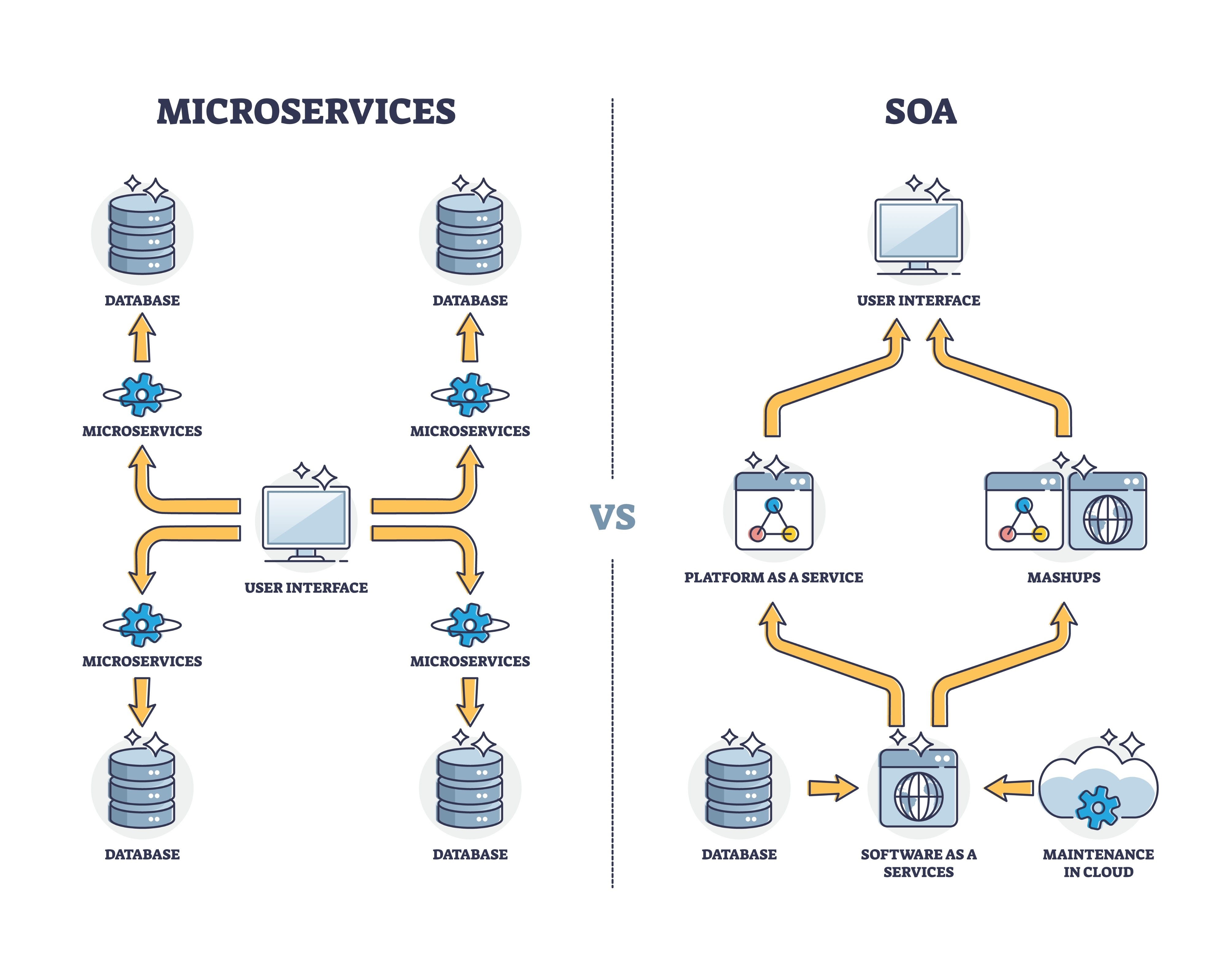
Instead of pouring concrete to build one giant structure, microservices architecture is like building with Lego blocks. We break the application down into small, independent services that each do exactly one thing perfectly.
For example, our SaaS doesn't have one brain; it has many. We have a "Billing Service," a "User Authentication Service," and a "Notification Service." They operate independently but communicate with each other instantly via APIs.
2. The Ultimate Advantage: Fault Isolation
In enterprise software, downtime is unacceptable. With a monolithic app, a memory leak in the PDF-generation tool can take down the whole server, logging everyone out.
With microservices, if the PDF service crashes, it only affects the PDF service. The rest of the application—the dashboards, the data entry, the messaging—keeps running flawlessly. The broken "Lego block" is isolated, restarted, and fixed without the user ever experiencing a total outage.
3. Precision Scalability (and Cost Control)
Imagine it's the end of the month, and suddenly thousands of clients are generating automated reports simultaneously.
- The Old Way (Monolith): We would have to duplicate the entire massive application across multiple servers just to handle the reporting traffic, which is highly expensive.
- The New Way (Microservices): We simply tell the cloud to temporarily duplicate the Reporting Service alone. Once the rush is over, it scales back down. We only pay for the exact computing power we need, keeping our infrastructure costs down—a savings we pass on to our users.
4. Faster Feature Releases
Because the codebase is separated, our development teams can work in parallel. One team can push an update to the Notification Service on a Tuesday morning without needing to coordinate a massive, system-wide launch with the rest of the company. This means you get new features and bug fixes faster than ever before