The Hidden Costs of Legacy Systems: How Outdated Tech is Silently Draining Your
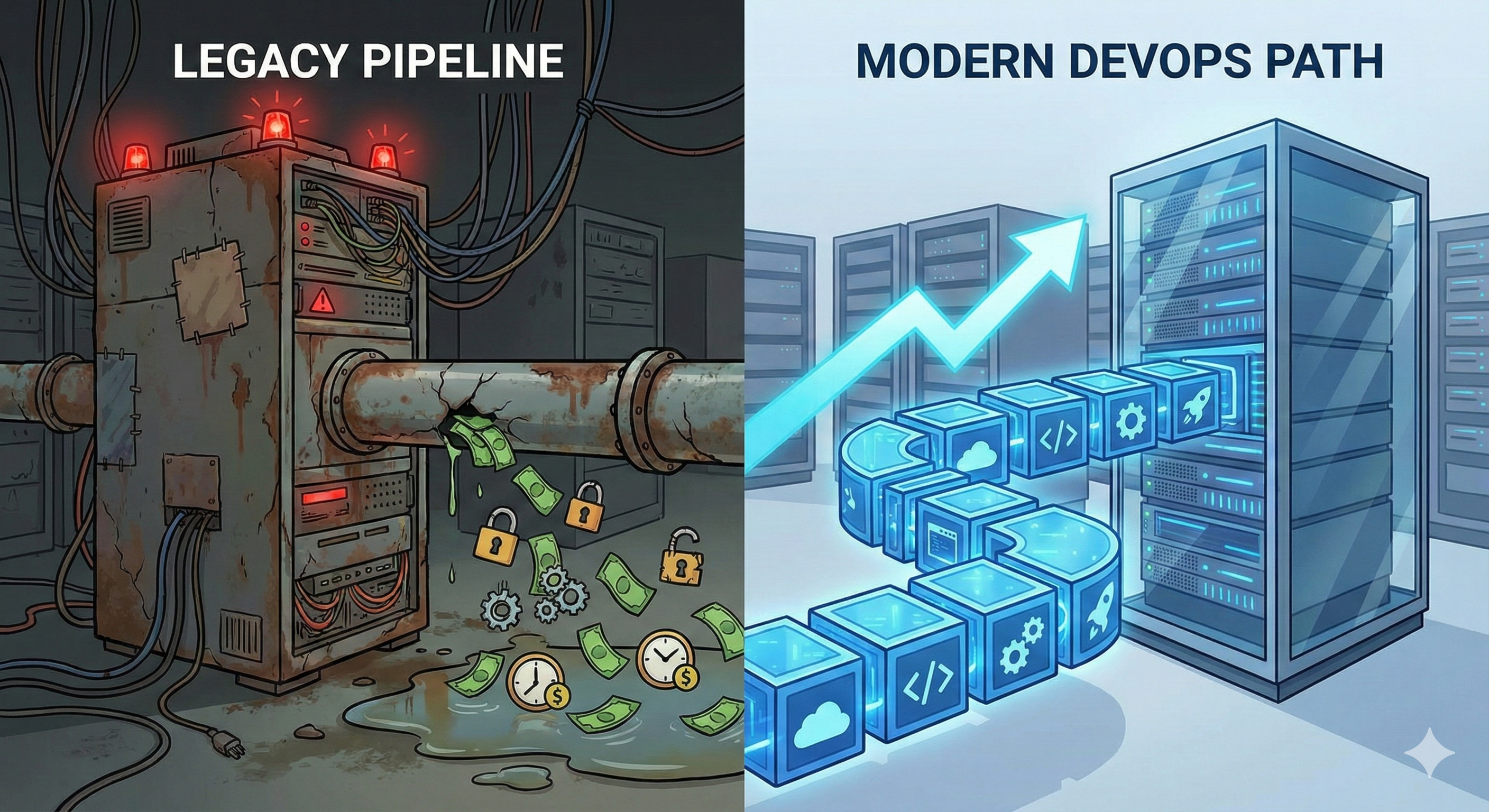
Many businesses operate with a silent anchor holding them back: legacy systems. These are the aging software applications, outdated databases, and obsolete operating systems that still run critical business functions. The prevailing attitude is often, "It works, so let's not touch it." However, this complacency comes with a severe and often hidden price tag that extends far beyond basic maintenance fees.
Let's audit the true cost of clinging to the past:
1. The Security Vulnerability Tax: Older systems no longer receive security patches from their vendors. They are treasure troves of unpatched vulnerabilities, making them low-hanging fruit for cybercriminals. A single breach from an outdated server can cost millions in fines, remediation, and lost trust—a risk that dwarfs any modernization cost.
2. The Integration & Innovation Tax: Modern tools (like a new CRM, marketing automation, or analytics platform) are built to talk to each other via APIs. Legacy systems often speak a dead language. Connecting them requires expensive, brittle custom code that breaks with every update. This creates data silos, hinders automation, and makes it nearly impossible to adopt innovative technologies that could give you a competitive edge.
3. The Productivity Drain Tax: Legacy software often has clunky, non-intuitive interfaces. What takes two clicks in a modern system might take ten in an old one, repeated by dozens of employees every day. This drags down efficiency, increases training time for new hires, and leads to widespread employee frustration and lower morale.
4. The Talent & Support Desert: Finding developers who know COBOL or Visual Basic 6 is like finding mechanics for a horse-drawn carriage—they are rare and expensive. Similarly, vendor support for old products disappears, leaving you entirely on your own when something goes wrong, leading to longer downtimes.
5. The Compliance Risk: Regulations like GDPR, HIPAA, or PCI-DSS evolve. Legacy systems often cannot be configured to meet new data privacy, retention, or reporting requirements, putting your business at legal and financial risk.
The Path to Modernization: It Doesn't Have to Be a Shock
The goal isn't a risky, overnight "big bang" replacement. A strategic approach is key:
Assessment & Prioritization: Work with IT consultants to inventory all legacy systems and rank them by business criticality and risk. Which system poses the biggest security threat or operational bottleneck?
Explore Modernization Paths: Options include:
Rehosting: "Lifting and shifting" the application to a modern cloud server (quick, but doesn't solve all issues).
Refactoring: Updating the core code for a modern environment.
Rebuilding: Recreating the application from scratch using modern technologies (most future-proof).
Replacing: Switching to a modern off-the-shelf SaaS product.
Build a Phased Business Case: Frame the investment not as an IT cost, but as a strategic initiative to reduce risk, unlock productivity, and enable growth. Calculate the ROI from reduced downtime, higher employee output, and new business capabilities.
Holding onto a legacy system is a conscious business decision—and often a costly one. By shining a light on the hidden taxes it imposes, you can build a compelling case for thoughtful modernization, turning a technical burden into a strategic springboard.